There are several main differences between Indian onions and Chinese onions:
Onion morphological differences:
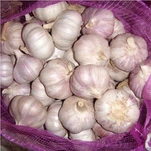
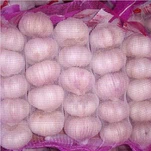
Indian onions are usually small and can grow into spherical or flattened shapes, sometimes appearing reddish brown or yellow; Chinese onions are relatively large, usually in the shape of bulbous roots or oval, with colors ranging from red, white, or yellow white.
Onion quality differences:
Indian onions have a strong spiciness and are suitable for use with other spices or in stews, with a harder texture; Chinese onions have a tender and slightly sweet taste, making them suitable for various purposes such as cold mixing, pancakes, and raw food.
Differences in onion eating habits:
In India, onions are often used as seasoning, especially when stir frying or making stews to add spicy and salty flavors; In China, onions are more commonly used in raw and cold dishes, as well as sashimi, to enhance the fragrant taste of dishes.
Differences in onion planting distribution:
India is a major exporter of onions, with a relatively developed vegetable cultivation industry. Onions are mainly distributed in Delhi, Karnataka, and Andhra Pradesh in India; China is one of the main producers of onions, especially in regions such as Liaoning, Shandong, and Henan, with stable production and quality.
In summary, there are significant differences between Indian onions and Chinese onions in terms of size, shape, spiciness intensity, consumption methods, and uses.