


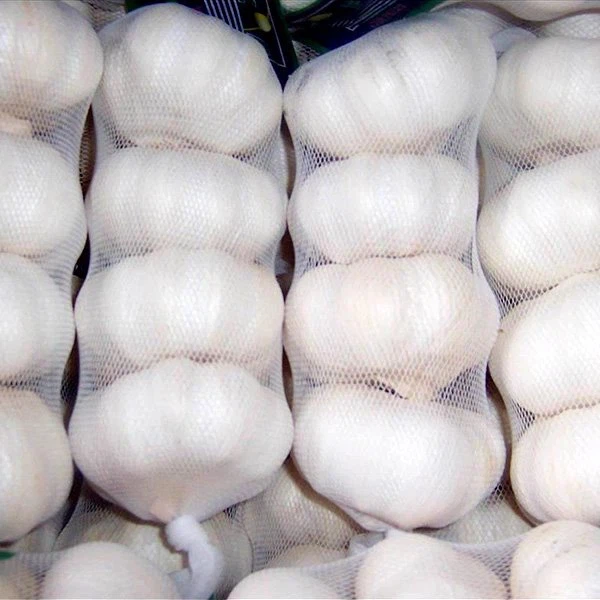
The color of garlic is an important factor in determining its quality and freshness. Fresh garlic should have a white to off-white color, with no discoloration or spots. As garlic ages, it can develop yellow or brown spots, which can indicate that it is beginning to spoil. Here are some of the ways in which the color of garlic can affect its quality:
Fresh garlic should have a white to off-white color, with no discoloration or spots. White garlic is usually the most desirable, as it is a sign of freshness and quality. White garlic has a strong, pungent flavor and is often used in savory dishes and marinades.
Yellow Garlic:
Garlic that has started to turn yellow is usually a sign that it is starting to spoil. The yellow color can be caused by exposure to light, moisture, or air. Garlic that has turned yellow may still be safe to eat, but it may have a weaker flavor and a less desirable texture.
Brown Garlic:
Brown garlic is usually a sign that the garlic has begun to spoil. The brown color can be caused by exposure to moisture, heat, or bacteria. Brown garlic may have a soft, mushy texture and a sour, unpleasant taste. It is best to avoid using brown garlic in cooking.
Purple Garlic:
Some varieties of garlic have a purple tint to the skin, which is often considered a sign of quality. Purple garlic has a milder flavor than white garlic, and is often used in Mediterranean and Eastern European cuisine.
Black Garlic:
Black garlic is a type of garlic that has been fermented over a period of weeks or months, resulting in a sweet, savory flavor and a soft, sticky texture. The fermentation process also gives the garlic a distinctive black color. Black garlic is often used in gourmet cooking and is considered a delicacy.
In addition to the color of the garlic itself, the color of the papery skin can also be an indicator of quality. Fresh garlic should have a papery skin that is white or off-white in color, with no tears or holes. Garlic with brown or yellow skin may be older or have been exposed to moisture, which can affect its quality.
In conclusion, the color of garlic can be an important indicator of its quality and freshness. While some varieties of garlic may naturally have a purple or brown tint, white garlic is usually the most desirable. Garlic that has started to turn yellow or brown may be starting to spoil, and should be used with caution. It is always best to choose garlic with a white, papery skin that is free from tears or discoloration.


