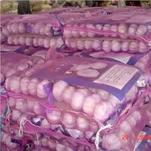
Garlic is most commonly used as a flavoring ingredient, although it can also be eaten raw as a vegetable in some cases.
This dressing can be used in a variety of meals, including salad dressings, vinaigrettes, pickles, and sauces, as well as vegetables and meats, soups, and stews.
It is often used to make garlic butter and garlic toast. If you don't have fresh garlic on hand, you can substitute garlic powder for one-eighth teaspoon of fresh garlic.
Things to know when buying garlic
When choosing wholesale garlic bulbs, look for firm, plump bulbs that still have a papery skin on the surface. There should be no sprouts, tender areas, or other imperfections on the skin.
Fresh wholesale garlic and peeled wholesale garlic are readily available year-round.
In addition to fresh garlic, garlic can be purchased in various forms, including peeled garlic, powdered garlic, flaked garlic, oiled garlic, and garlic paste.

How to store garlic in bulk?
Wholesale fresh garlic will keep for 4 to 6 months in a cool, dark, dry and well-ventilated place. However, it's best to use it within a few weeks of purchase. Cloves can be frozen for several months after being removed from the baking sheet.
If the garlic has been minced, minced or otherwise processed. It will be stored in the refrigerator. Maintaining proper refrigeration conditions can prevent garlic odor from penetrating other foods in the refrigerator.
When and how to sow garlic
Garlic usually grows as one clove. However, garlic bulbs can occasionally be used. Garlic is generally planted from March to April. However, it does produce on the plains in September-October when it reaches the mountains.
Many factors determine how much garlic can be grown per unit area of land. My recommended spacing between plants is 15 to 20 cm (top row) and 8 to 10 cm (between plants).
Fertilizer requirements
Garlic responds very well to organic fertilizers and it is recommended to apply 16-20 tons per acre during soil preparation for best results.
Better yields can be obtained by applying at a ratio of N:P:K 75:85:55 kg. Half of the nitrogen fertilizer, along with the total dose of phosphorus and potassium, should be applied at planting, with the remaining half of the nitrogen applied 30-45 days after planting.
Irrigation and cross-cultural exchange
Garlic crops require weekly irrigation during the vegetative growth phase and 10-15 days apart during the mature phase. Garlic is a closely planted crop that requires three to five hand hoes to provide higher crop yields.
reward
The crop is ready for harvest when the tops of the plants turn brown and show symptoms of dryness and bending. Depending on the environment, the bulb will develop within 4-6 months after transplanting.