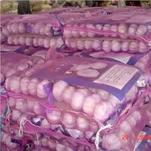
Garlic is a widely consumed vegetable that is exported and imported all over the world. Like any other fresh produce, garlic needs to be transported carefully to ensure that it arrives at its destination in good condition. In this article, we'll take a look at how garlic is shipped and how quality is ensured during transportation.
Garlic is primarily shipped in two forms: fresh garlic bulbs and processed garlic products such as peeled or chopped garlic. Fresh garlic bulbs are typically packed in boxes or mesh bags, while processed garlic products are often packed in plastic containers or bags.
When shipping fresh garlic bulbs, it is important to consider several factors that can affect the quality of the garlic during transportation. These factors include temperature, humidity, ventilation, and handling.
Temperature: Garlic is a sensitive vegetable that can be damaged by extreme temperatures. During transportation, it is important to maintain a consistent temperature between 0 and 5 degrees Celsius to prevent spoilage and decay.
Humidity: Garlic should be transported in a dry environment to prevent mold and bacterial growth. If garlic is exposed to high humidity, it can become soft and develop a foul odor.

Ventilation: Proper ventilation is important to ensure that fresh air circulates around the garlic during transportation. Ventilation helps to regulate temperature and humidity levels and prevent the buildup of ethylene gas, which can cause the garlic to ripen too quickly.
Handling: Garlic bulbs should be handled carefully during transportation to prevent damage. Rough handling can cause bruising or cracking, which can lead to decay.
To ensure the quality of garlic during transportation, many garlic suppliers work closely with logistics companies and transportation providers to implement strict quality control measures. These measures may include:
Regular temperature monitoring: Temperature sensors are placed inside shipping containers to monitor the temperature during transportation. If the temperature falls outside the recommended range, alarms are triggered to alert the driver or logistics company.
Humidity control: Some shipping containers are equipped with humidity control systems that regulate the humidity levels to prevent mold and bacterial growth.
Ventilation: Shipping containers are often equipped with ventilation systems that allow fresh air to circulate around the garlic during transportation.
Packaging: Garlic is typically packed in sturdy boxes or mesh bags that are designed to protect the garlic during transportation. These packages may also include absorbent materials to control moisture and prevent spoilage.
Quality inspections: Many garlic suppliers conduct quality inspections before and after transportation to ensure that the garlic meets the necessary standards. This may include visual inspections, weight measurements, and sensory evaluations to detect any signs of damage or decay.
In addition to these measures, many garlic suppliers also work closely with their customers to ensure that the garlic arrives at its destination in good condition. This may include providing detailed storage and handling instructions, as well as working with customers to develop customized packaging solutions that meet their specific needs.
In conclusion, shipping garlic requires careful attention to detail and a focus on quality control. By implementing strict temperature, humidity, ventilation, and handling measures, garlic suppliers can ensure that their products arrive at their destination in good condition. With the right transportation and quality control practices, garlic can be enjoyed by consumers all over the world.